 Womenite
Project Aditi: sanitary pad vending machines and incinerators for schools and communities
Project Aditi puts automatic sanitary pad vending machines and incinerators where girls and women need them most, in government schools, anganwadis and workplaces, together with menstrual health sessions. It is funded through CSR and run with district administrations.
A pad within reach changes a girl’s school year
When pads are not available at school, girls go home, stay home, or manage with cloth and paper. Machines that dispense pads privately, with a safe way to dispose of them, remove that barrier quietly and every day.
In January 2026 the Supreme Court of India held that menstrual health is part of the right to life under Article 21, and directed all government and private schools to provide free sanitary pads, girls’ toilets with water and soap, safe disposal and menstrual hygiene corners. Read our guide to the judgment.
Four parts, one programme
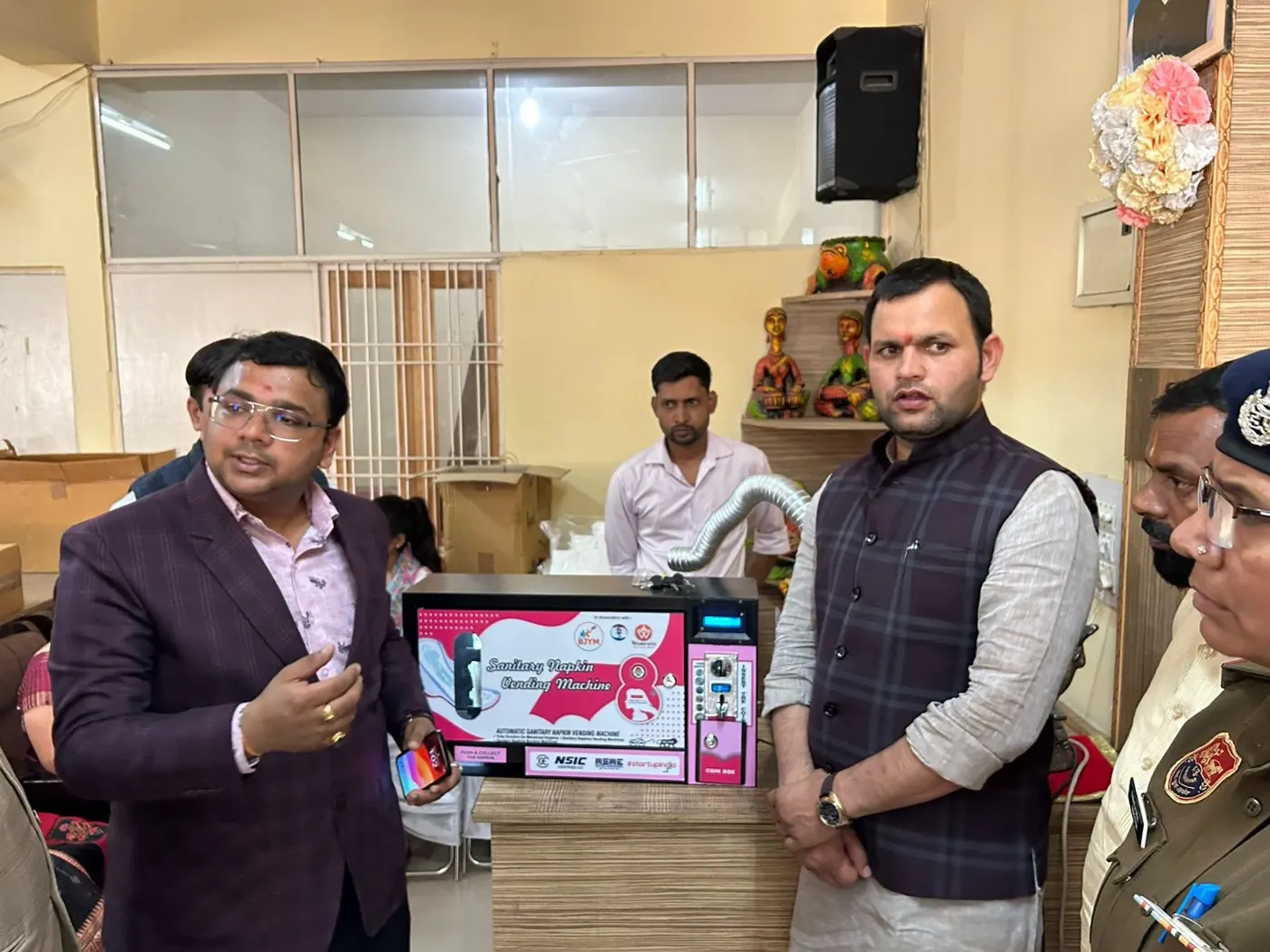
Access: automatic vending machines
Machines placed near girls’ toilets or in a private corner, so a pad is available without asking anyone.
Disposal: incinerators
Sanitary napkin incinerators so used pads are not flushed, burnt in the open or thrown away.
Supply: regular refills
Pads refilled through the year so the machine keeps working after the launch day.
Awareness: menstrual health sessions
Sessions for girls, and for boys and teachers too, so periods are understood rather than hidden.
Where Project Aditi and our vending work has reached
Anganwadis, Gurugram (2026)
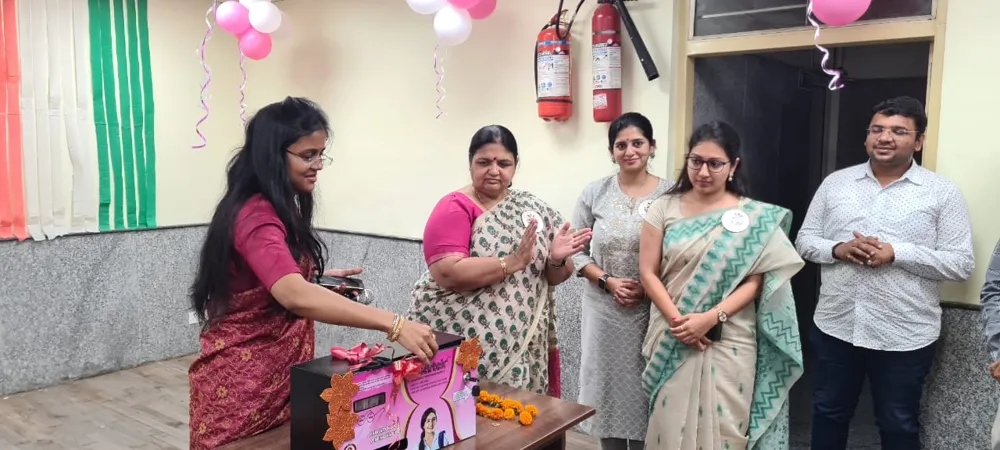
Vending machines in 22 anganwadi centres with the District Administration, Gurugram and ALP Group.
Delhi State Legal Services Authority (2022)
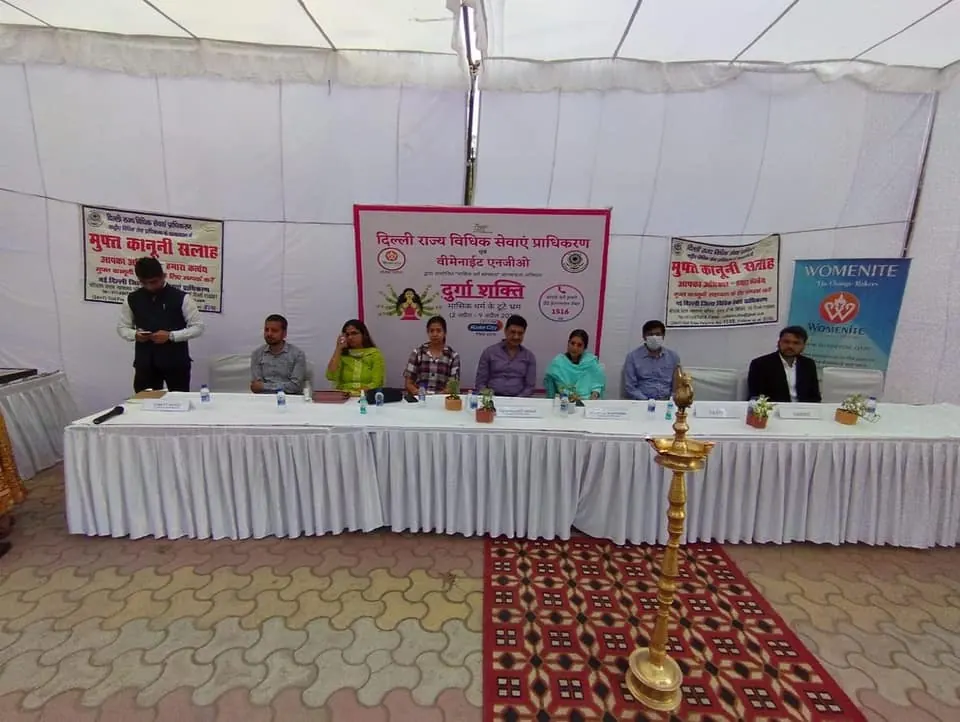
Our first vending machine, installed with DSLSA.
Ministry of Textiles (2022)
A vending machine and incinerator for staff at the Ministry.
Palwal and Delhi (2024)
Installations in Palwal; five machines at the Municipal Corporation of Delhi office, Rani Bagh; and installations in Delhi with Errand Enterprises CSR.
Bring Project Aditi to your schools, centres or workplace
We prepare a costed proposal with locations, timelines and reporting. CSR-1 registered, audited every year, with a due-diligence pack ready to share.
Request a proposal Download due-diligence packFrequently asked questions
Can a company fund sanitary pad vending machines through CSR?
Yes. Menstrual health and sanitation projects fall under Schedule VII item (i) of the Companies Act, 2013 (promoting health care, including preventive health care, and sanitation). Womenite is CSR-1 registered (CSR00007338) and can implement the project, report on it and share utilisation certificates. Final mapping is agreed with each partner as per their Board-approved CSR policy.
How much does it cost to run one vending machine?
About ₹1.16 lakh runs one co-branded vending machine for a year. We share an itemised budget with every proposal, so you can see exactly what is covered for your schools or centres.
Does Womenite sell vending machines?
No. Womenite is a registered society and does not sell machines. Project Aditi is a CSR and government-partnered programme: partners fund it, and we install, run and report on the machines, incinerators and sessions in schools and communities.
Do you also install incinerators?
Yes. Safe disposal is part of the model. Where a school or centre needs it, the plan includes a sanitary napkin incinerator alongside the vending machine.
Which places can Project Aditi cover?
Government schools, anganwadis, workplaces and community spaces. We have worked with the District Administration in Gurugram, the Delhi State Legal Services Authority, the Ministry of Textiles and the Municipal Corporation of Delhi.
How does this help schools follow the Supreme Court judgment?
In January 2026 the Supreme Court directed all schools to provide free sanitary pads, girls' toilets with water and soap, safe disposal and menstrual hygiene corners. Vending machines, incinerators and sessions help a school put those directions into practice. See our guide to the judgment for details.