 Womenite

The year of corporate volunteering, Project Aditi in Gurugram, and Project Light-A-Life in government schools.
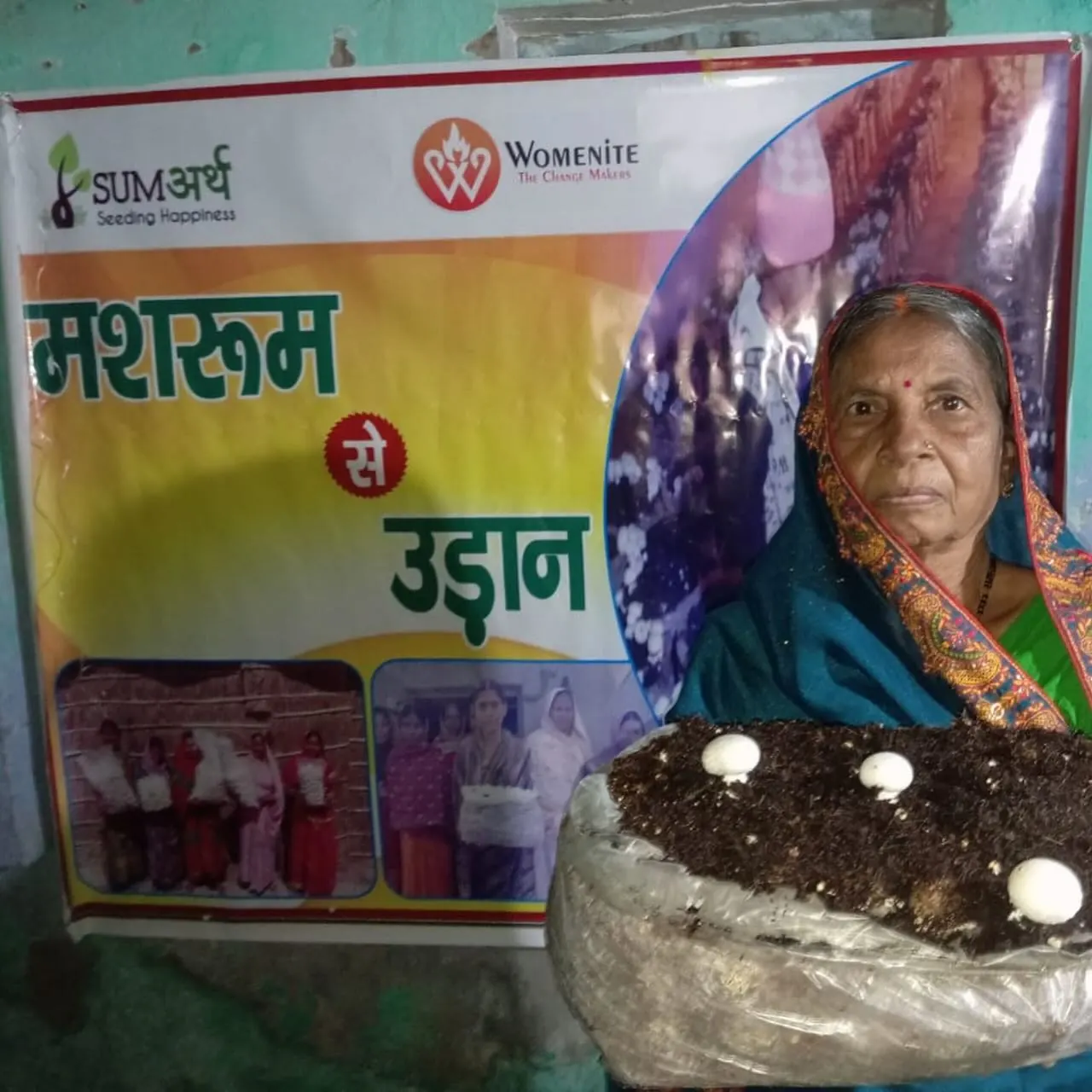
Programmes spread to Bihar, Jharkhand and beyond, with My Clean City in Noida and Mushroom se Udaan for women farmers.
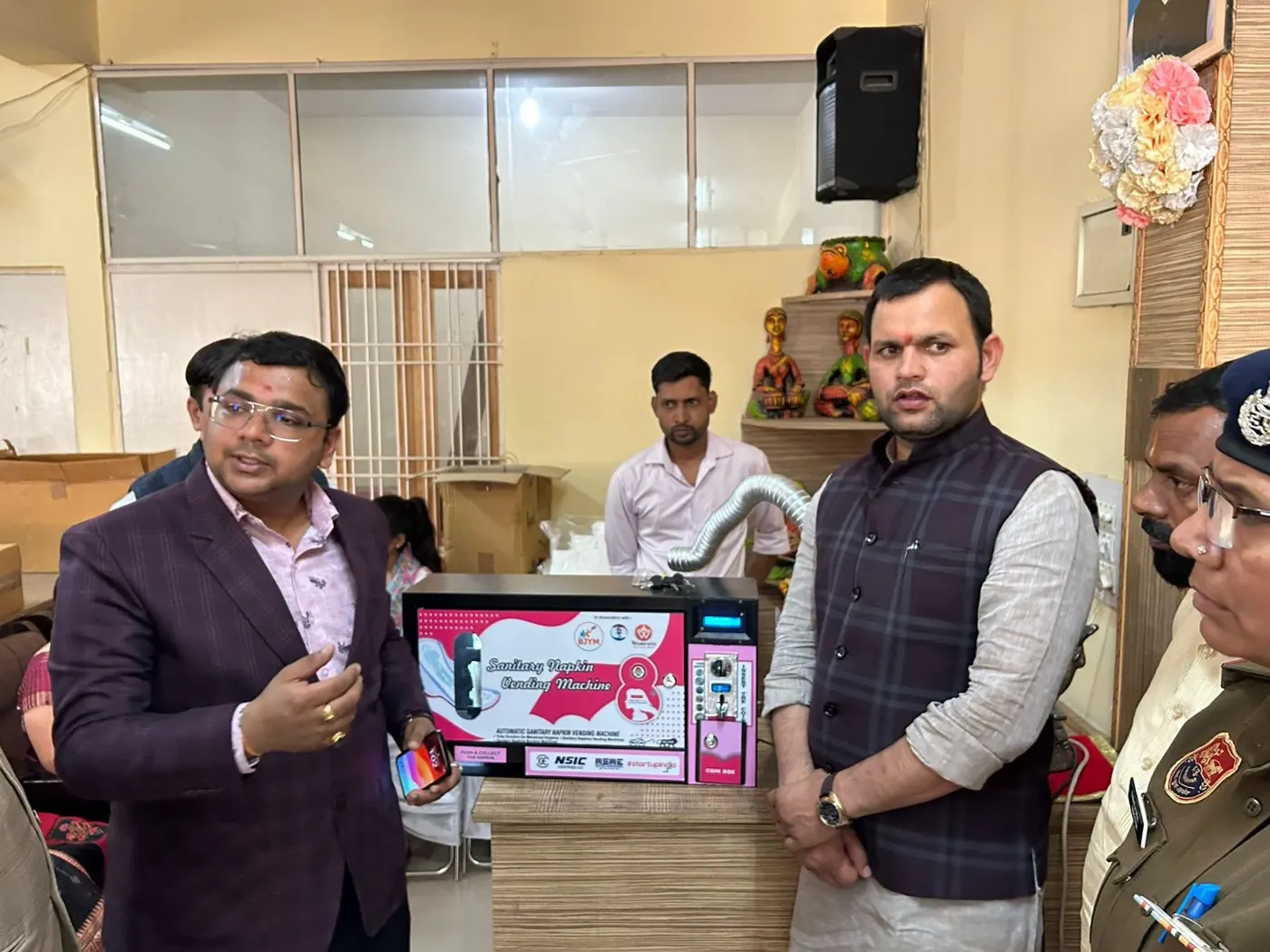
Vending machines went into government schools, and Womenite became the implementation partner for HCL Foundation's My Clean City programme.

Womenite planted 8,000 trees in Faridabad, opened a skill centre in Udyog Nagar, and grew a strong volunteer chapter in Patna.
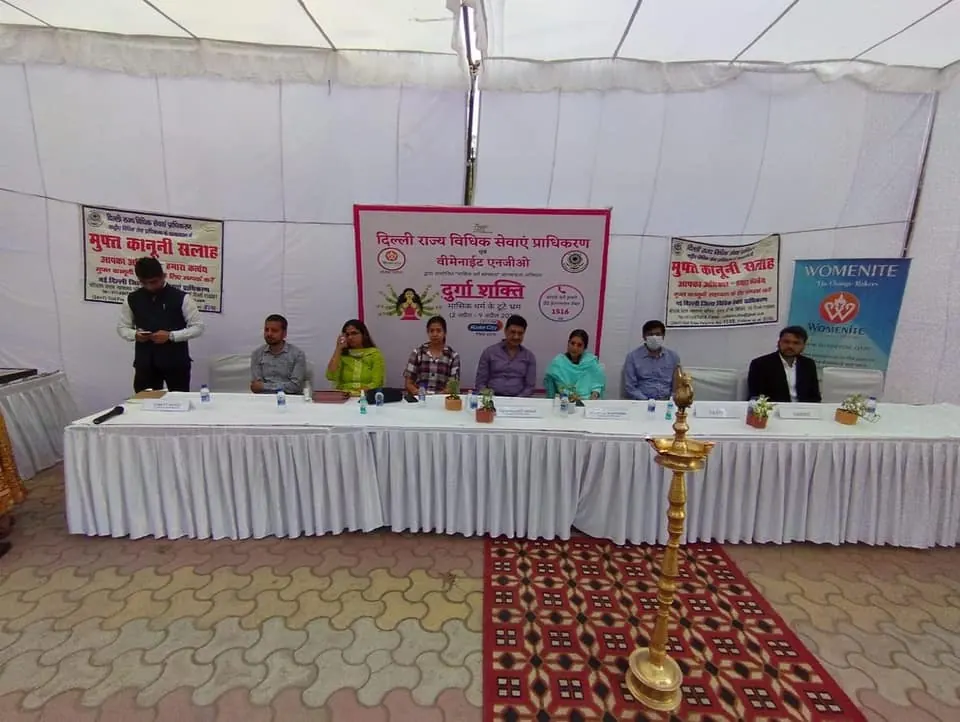
Project Durga Shakti 2.0 delivered 91,100 sanitary napkins, and the first vending machine went into a Government of India ministry.
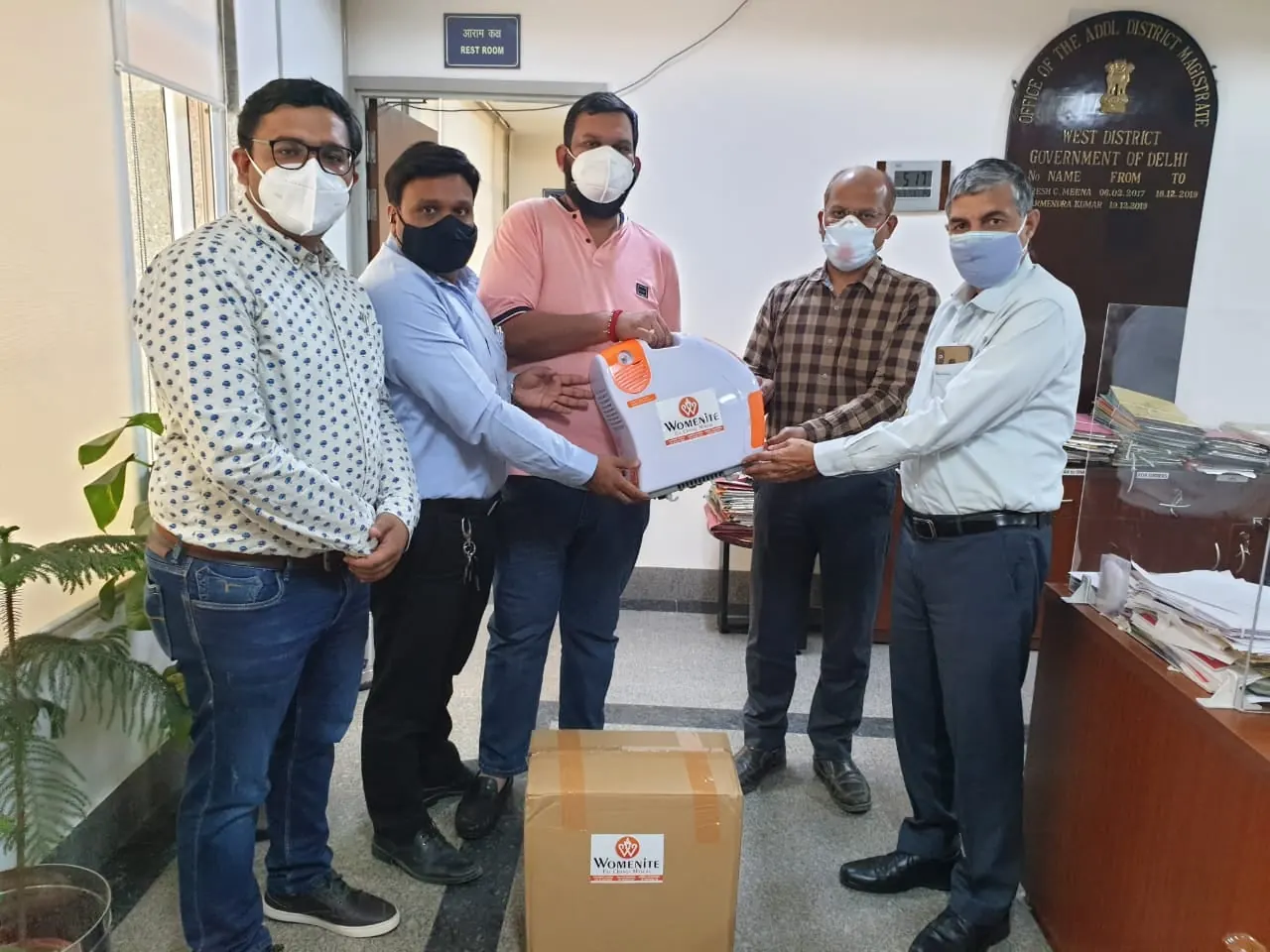
The campaign went national through volunteer city representatives, and Womenite built an oxygen concentrator bank during the second wave.
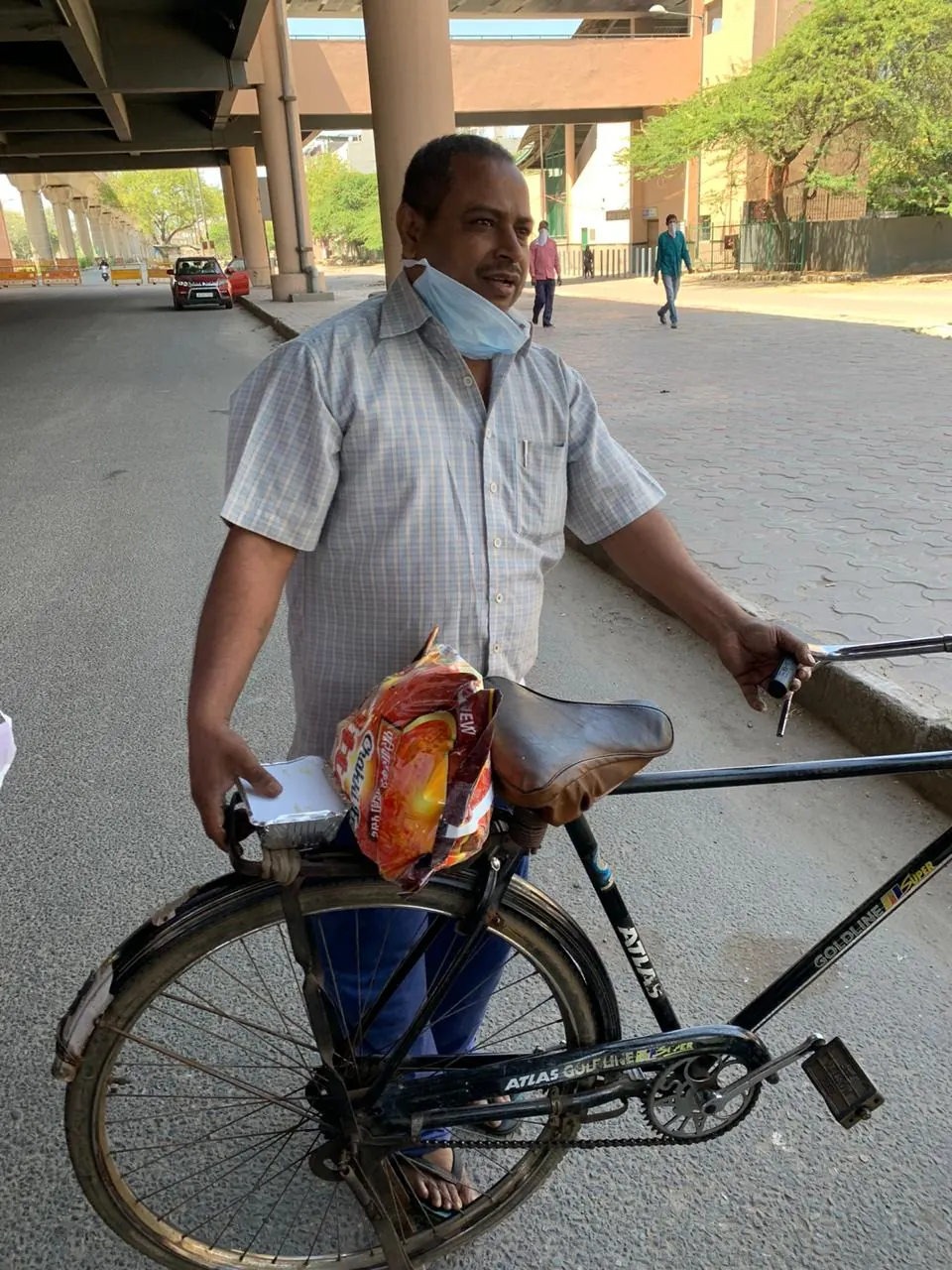
When the pandemic shut schools and markets, Womenite turned to relief, and started #EndPeriodPoverty when girls lost access to free pads.
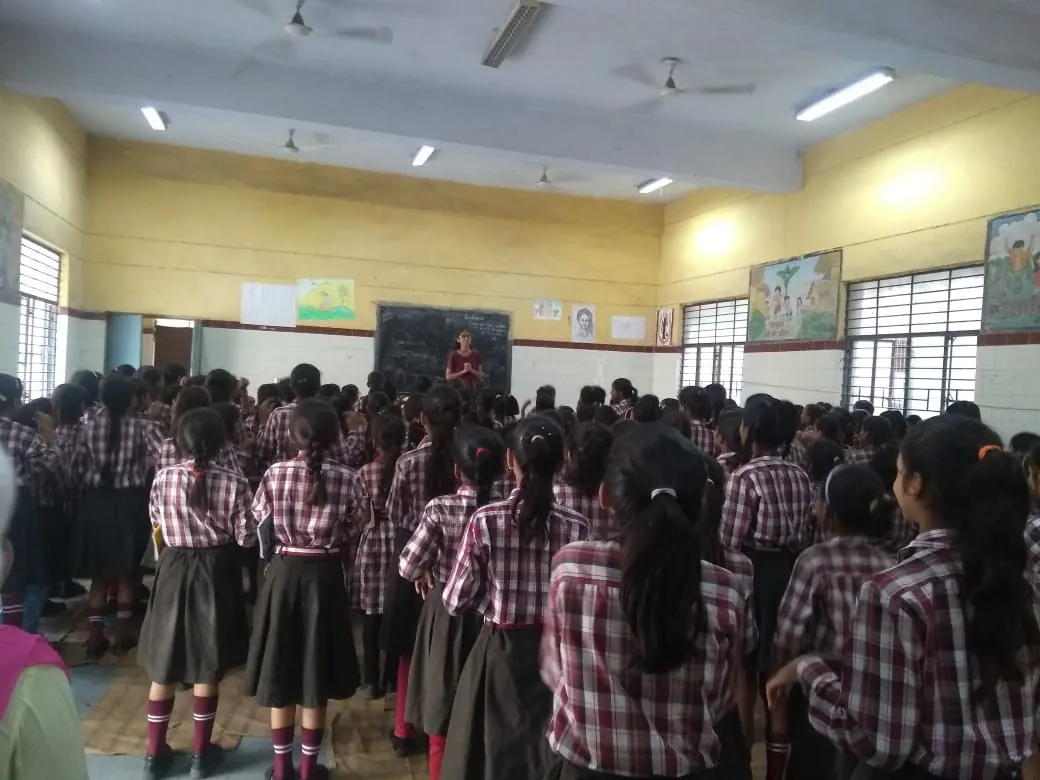
Child safety became a core programme, reaching 100 schools in a single week with the Delhi Commission for Protection of Child Rights.
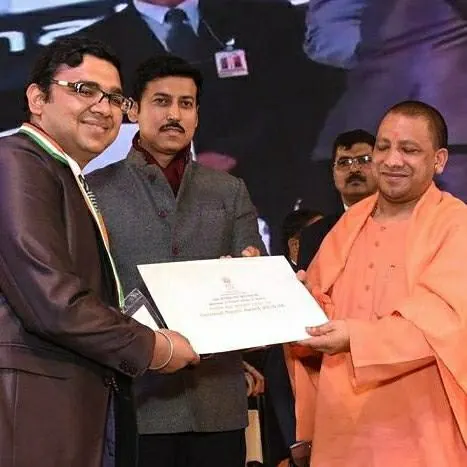
A landmark year: a National Youth Award, the first large events with District Magistrates, and Beti Bachao Beti Padhao work in villages.
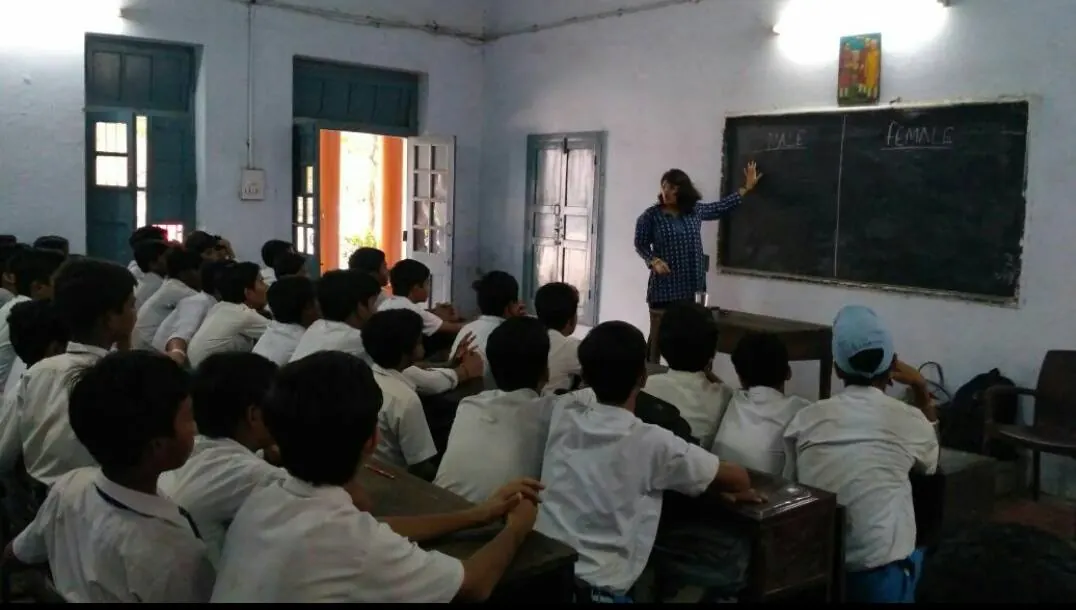
Workshops moved into schools and communities across Delhi, and in November Womenite was registered as a society.
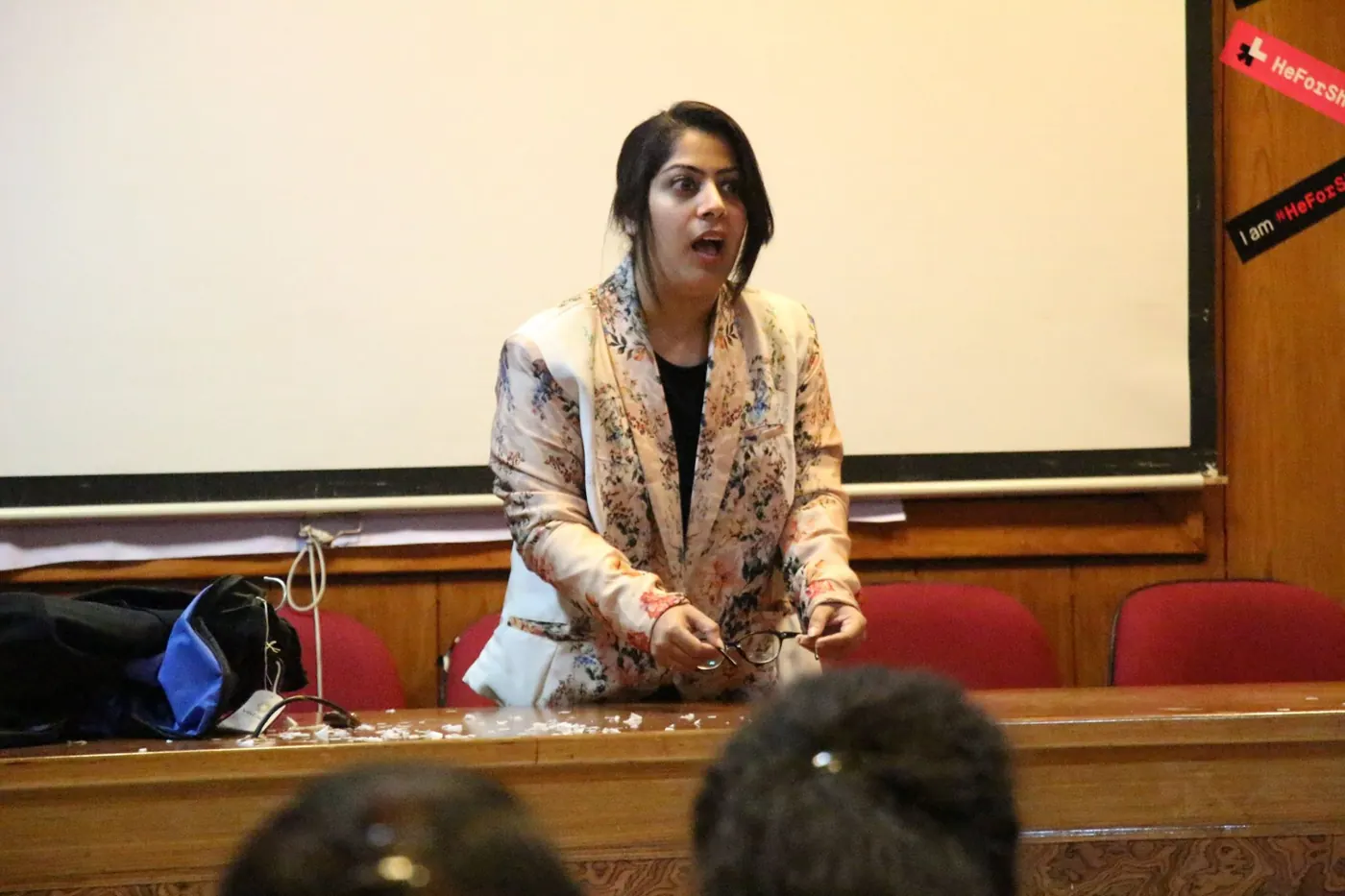
Womenite grew from a college initiative into a youth movement, with its first feminist festival and a month-long campaign on women's health.

The year Womenite began, as a group of students at NSIT and Delhi University colleges who wanted to talk openly about the issues women and girls face.